In recent years, cloud backup and recovery trends have evolved rapidly as organisations look for more resilient ways to protect critical data. Modern organisations rely on digital systems for nearly every operational activity. As cloud adoption grows, businesses must rethink how they protect and restore their data. Backup strategies that once relied on manual processes and on-site storage have evolved into intelligent systems that integrate cybersecurity, automation, and distributed infrastructure.
Recent industry reports show that cloud-based backup operations are growing rapidly, with billions of backup jobs executed globally each year as organisations transition to automated data protection frameworks.
At the same time, cyber threats are reshaping how backup systems are designed. Ransomware attacks increasingly target backup environments, which has pushed organisations to adopt more resilient and secure backup architectures.
Understanding the major developments shaping modern data protection helps businesses build stronger resilience strategies and reduce operational risks.
Key Cloud Backup and Recovery Trends Organisations Should Watch
1. Cloud-First Backup Architectures
One of the most important shifts in modern data protection is the move towards cloud-first backup systems.
Instead of storing backups exclusively on local hardware, organisations are placing backup repositories in distributed cloud environments. This approach provides greater scalability, redundancy, and accessibility.
Key advantages include:
- Replication of data across multiple geographic regions
- Reduced dependence on physical infrastructure
- Easier backup management across remote and hybrid teams
- Faster recovery during infrastructure failures
Cloud-first strategies are becoming the standard approach for organisations modernising their IT infrastructure.
Technology That Moves Your Business Forward.
Smart, secure, and dependable IT Support in London tailored for modern businesses.
Book a Consultation for Expert IT Support Services in London.
2. Continuous Data Protection and Real-Time Replication
Another major shift in backup technology is the move away from scheduled snapshots towards continuous data protection.
Traditional backup systems captured data once per day or once per week. Modern systems instead capture incremental changes as they occur, allowing organisations to restore much more recent versions of their data.
Research indicates that enterprises are increasingly adopting continuous backup technologies and automated disaster recovery plans, which have reduced average recovery time from around 16 hours to approximately 4 hours in many environments.
This approach significantly reduces the risk of losing critical information during system disruptions. As cloud backup and recovery trends continue to develop, many organisations are moving towards continuous data protection to reduce potential data loss.
Security That Works Before Threats Do
Advanced protection designed to safeguard your digital environment.
Book a Consultation to Secure Your Business with Our Cyber Security Services in London
3. Ransomware-Resilient Backup Design
Cybersecurity concerns have become one of the biggest drivers of innovation in data protection.
Modern attackers frequently attempt to compromise backup systems so organisations cannot restore their data. Studies show that 96 percent of organisations affected by ransomware reported that attackers attempted to target their backup repositories.
To address this threat, organisations are implementing new security-focused backup architectures that include:
- Immutable storage that prevents deletion or modification of backup files
- Air-gapped backup environments isolated from production systems
- Zero-trust access controls for backup infrastructure
These measures ensure that clean backup copies remain available even during cyber incidents.
4. AI-Driven Backup Monitoring and Threat Detection
Artificial intelligence is increasingly integrated into modern backup platforms.
AI systems analyse system behaviour and backup repositories to detect unusual patterns that could indicate cyber threats or system failures.
Capabilities commonly include:
- Detection of abnormal data changes or deletion activity
- Identification of ransomware behaviour in backup repositories
- Predictive analytics for storage growth and backup performance
Industry data suggests that most enterprises plan to incorporate AI-based anomaly detection within their backup platforms in the coming years.
This shift allows organisations to move from reactive data protection towards proactive threat detection. These developments highlight how cloud backup and recovery trends are shifting towards intelligent automation and proactive threat detection.
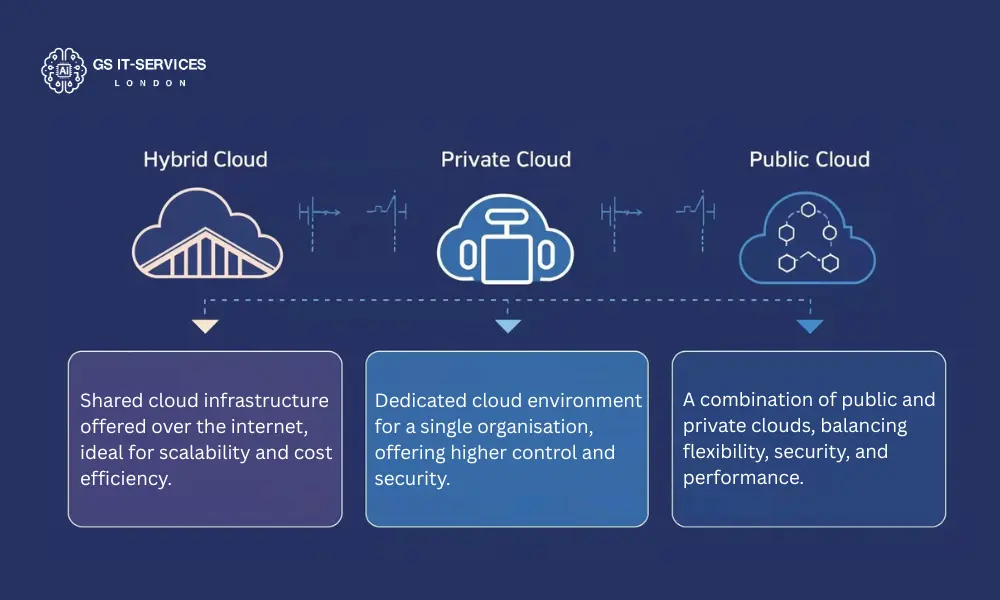
5. Multi-Cloud and Hybrid Backup Strategies
Many organisations now operate across multiple cloud platforms and on-premises systems.
To support these complex environments, backup technologies are evolving to provide unified management across different infrastructure types.
Studies show that more than 90 percent of organisations now use multi-cloud strategies, often combining several cloud platforms with private infrastructure.
Modern backup platforms therefore focus on:
- Cross-platform backup orchestration
- Consistent security policies across environments
- Centralised management of data protection operations
This ensures organisations can protect data regardless of where it resides.
Powerful Communication. Simplified.
Advanced cloud telephony and VoIP solutions with 3CX Services in London.
6. Endpoint and Remote Device Backup
Hybrid work has introduced a new challenge for IT teams: protecting data stored on employee devices.
Recent research shows that hundreds of millions of devices, including laptops and mobile devices, are now backed up directly to cloud environments.
This trend reflects the need to protect distributed workforces where critical data may exist outside traditional office infrastructure.
Endpoint backup systems help ensure that remote devices remain protected even when they are not connected to corporate networks.
Related Article: Is Your SME Ready for GenAI?
7. Disaster Recovery as a Service (DRaaS)
Another important development in modern backup strategies is the increasing adoption of Disaster Recovery as a Service. Instead of maintaining dedicated disaster recovery infrastructure on-site, organisations are replicating their systems into secure cloud environments that can be activated during outages or major disruptions.
This approach allows businesses to recover entire systems rather than just individual files. Cloud-based disaster recovery platforms replicate applications, databases, and system configurations so they can be restored quickly if primary infrastructure becomes unavailable.
Key advantages include:
- Faster recovery times during outages
- Reduced cost compared with maintaining secondary infrastructure
- Automated failover capabilities
- Simplified disaster recovery testing
By shifting disaster recovery into cloud environments, organisations can maintain operational continuity even when unexpected events disrupt primary systems.
8. Compliance-Driven Data Protection
Regulatory compliance is another major factor shaping how organisations design their backup strategies. Many industries must comply with strict data protection regulations that require organisations to maintain secure records and audit trails.
Modern backup platforms now include built-in governance features that help organisations meet regulatory requirements.
These capabilities often include:
- Automated data retention policies
- Detailed activity logs and monitoring
- Encryption for stored and transmitted data
- Secure role-based access control
These features allow organisations to demonstrate compliance while maintaining strong data protection practices. Recent cloud backup and recovery trends show a strong shift towards automated recovery systems that minimise operational downtime.
Related Article: How AI and Automation Are Redefining Managed IT Services
9. Automation and Self-Healing Recovery Systems
Automation is playing an increasingly important role in the evolution of backup technologies. Modern systems now use automated recovery workflows that allow infrastructure and applications to be restored with minimal manual intervention.
Some advanced platforms are even introducing self-healing capabilities. These systems can automatically identify system failures and initiate recovery processes before users experience disruption.
Automated backup environments can:
- Detect system failures and trigger recovery workflows
- Restore applications automatically
- Verify backup integrity before restoration
- Perform routine recovery testing
Automation reduces the risk of human error while ensuring that organisations can recover systems more quickly during incidents.
Conclusion
Data protection strategies are evolving rapidly as organisations become more dependent on cloud infrastructure and digital services. The latest developments in backup technology show a clear movement towards automation, stronger security frameworks, and intelligent monitoring systems designed to respond quickly to operational disruptions.
Modern backup systems are no longer simple storage solutions. They are now integrated platforms that combine cybersecurity, real-time data replication, and automated recovery capabilities. Features such as immutable storage, AI-driven anomaly detection, and multi-cloud compatibility are helping organisations build more resilient data protection environments.
At the same time, the rise of hybrid workforces and distributed infrastructure has expanded the scope of what backup systems must protect. Businesses now need solutions capable of securing data across cloud platforms, remote devices, and on-premises systems while maintaining strict governance and compliance standards.
Understanding these evolving trends allows organisations to make more informed decisions about their data protection strategies. Businesses that adopt modern backup architectures, prioritise security, and implement automated recovery processes will be better prepared to minimise downtime and maintain operational continuity.
As digital transformation continues to accelerate, reliable backup and recovery systems will remain a foundational element of organisational resilience and long-term business stability. Understanding current cloud backup and recovery trends allows organisations to build more resilient and secure data protection strategies.
Frequently Asked Questions
Why are backup systems evolving so quickly?
The rapid growth of cloud computing, remote work, and cyber threats has increased the complexity of data protection. Modern backup systems must support distributed infrastructure while protecting against sophisticated cyber attacks.
What makes modern backup systems more resilient than older solutions?
New technologies such as immutable storage, automated recovery workflows, and AI-driven monitoring help ensure that organisations can restore clean data quickly after disruptions.
How does continuous backup improve data protection?
Continuous backup captures changes as they happen rather than relying on scheduled snapshots. This reduces the risk of losing recent updates if systems fail.
Why are multi-cloud strategies becoming common?
Many organisations use multiple cloud providers to improve flexibility and reduce dependency on a single platform. Backup systems must therefore support data protection across diverse environments.
How often should recovery systems be tested?
Regular testing is essential to ensure backups function correctly. Many organisations conduct disaster recovery simulations several times per year to validate their backup processes.